
Filling Voids

I’m coming up on the thirteenth anniversary of my first formal blog post. Well over two thousand articles and well over two million words have not only served to improve my ideas, opinions, and conclusions about the world around me, but have also been part of... let’s call it a maturation process. Writing stuff on a set schedule has taught me the benefits of patience when things happen.
This does come with a down side. Since I typically have a couple posts in the queue at any given time, it might be several days before my thoughts on The Current Thing enter the blog-o-sphere. Those several days might make a post a bit stale, or they might be read by an audience that has mostly made up its mind. And there are times when I’ve kiboshed a post because it became too dated to bother with. What I do my best to avoid is disappointment at not being first with a particular point of view. There really is no prize for that, unless you’re in the TV “news” game where scoops are more important than accuracy.
I like to think that my patience makes for greater dispassion, greater accuracy, and more supported conclusions. That’s not always the case, though, because sometimes there simply isn’t enough foundation to avoid an all-too-human pitfall.
Ponder this quip by the late, great Christopher Hitchens:
By all means let us agree that we are pattern-seeking mammals and that, owing to our restless intelligence and inquisitiveness, we will still prefer a conspiracy theory to no explanation at all.
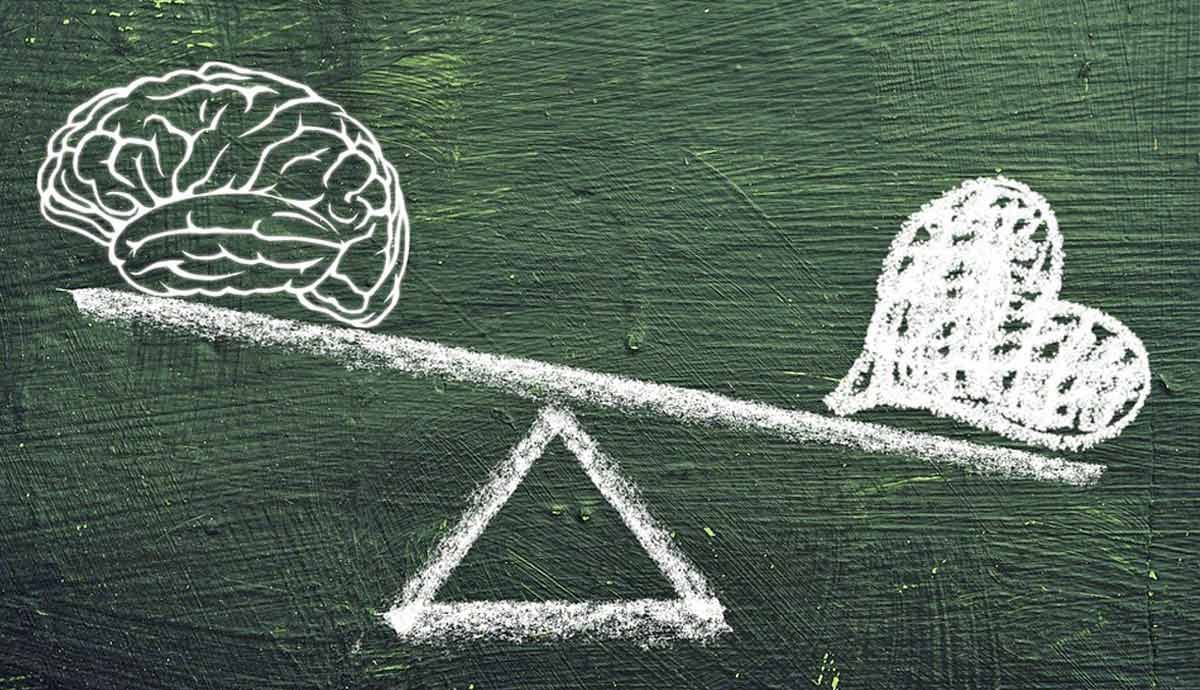
This is especially true when a matter triggers our lizard brains. Outrage is an enormous motivator toward conclusion-fitting, so when we are given answers that fit all the facts but are benign or boring or otherwise a let-down, we are inclined to raise skeptical eyebrows or presume “there has to be more.” Sometimes there is, but we should let new information rather than feeling let down by a boring answer decide that. The more sensational the theory, the greater the disappointment if it doesn’t pan out.
Since we are wired, as Hitchens notes, to find patterns even where none exist, it’s a perpetual and eternal battle.
Which brings me to the Jeffrey Epstein files.
While they are not quite a nothing-burger, they are proving, so far, to be thin sauce. Ex-Prince Andrew appears to be guilty of... things, though the charges brought against him have nothing to do with underage girls. Others have fallen as well (here’s a recap of resignations), but they are falling for things far more mundane than sex with underage girls.
The desired revelation of a vast blackmail-trafficking-honeytrap enterprise has not materialized, despite his files having been managed by both parties across a number of years. Either the conspiracy is so superbly competent as to defy everything we know about human nature and people’s inability to shut their mouths, or we let our desire to believe in it override a more boring truth.
That truth, at least as of today, appears to be that Epstein knew how to play the political money and influence game. That, rather than his predilection for underage teens being at the core of his success. Some of this influence-peddling is shady, and heads should roll (and are rolling) where there’s evidence for it, but the more sordid expectations aren’t proving out.
Yes, there’s still the possibility of new revelations, but I’d argue that the odds are getting long at this point. What we have instead is a lot of shame of guilt-by-association, absent evidence of relations with minors. Because people are eager to presume the worst, it’s understandable that the countless high-profile people who associated with this very wealthy influence peddler are fearful of being tarred as Epstein-adjacent even if they know they are innocent and know they were ignorant of his sexual crimes.
Occam’s Razor now points to that fear of as the most likely reason for the slow-roll of the Epstein files. The cause wasn’t helped by stunts like Congressman Ro Khanna un-redacting several names from those files on the House floor, where he is immune from blowback. That four of the six people he named turned out to be completely unassociated vindicates the “fear” conclusion. Recklessness often harms the innocent.
Yes, we should continue to demand the release of whatever information can be responsibly released. Bear in mind that redactions are proof of nothing in and of themselves - there are privacy and other laws that have to be respected. But until we get real evidence, we should opt to hold a “jury is still out” mindset rather than filling in the unknowns with our preferred answers.
This is true not only for the Epstein matter, but for every high-profile matter on the political landscape.