

It’s August, which means that much of southern Europe is on vacation. Spain, Italy, France, and more, including my motherland, Greece, slow down profoundly this time of year, because vast swathes of their populations, excluding those who work in tourism and hospitality, take their holidays. The EU baselines a minimum of four weeks vacation per year, and many nations mandate more. They also require employees to take those vacation days rather than trade them in for money, as many Americans do.
While this sounds like a better approach to work-life balance, it doesn’t occur in a vacuum. Everything comes at a cost, and that cost is economic productivity and growth. It is by no means the only dampener - the Continent is rife with policies that stifle productivity and inhibit the desire to excel - but it is illustrative of a mindset that many over on this side of The Pond are embracing. In particular, our young socialists.
When was the last time you heard a Democratic Socialist promote economic growth? Or suggest policies aimed at improving productivity. No, it’s always about taking what others produce so it can be spent how they prefer. About moving money from the wealthy to the masses, with no consideration for how that transfer would impact the nation’s overall economic health.
And while their policy ideas have virtually nothing in common with those in Europe, their voiced admiration for the European state of things, with cradle-to-grave entitlements, indicates their desired outcome.
We also see an idealism in the young that focuses on things like “work-life balance” before they even enter the workforce, on preferring work for non-profits and NGOs in the name of social justice rather than working in a way that produces wealth, and on industry specifics such as pro-bono work from the moment they join a law firm.
This stands in stark contrast with the billionaire-philanthropist model, where people turn to charitable work after they’ve made their fortunes.
Imagine if those entrepreneurs decided to be charitable from day one. They would have never amassed those great fortunes that were born of their “better mousetraps,” visionary ideas, and focuses on growth. They’d never have the billions with which to do good works later in life.
I’ve long argued that the best thing a rich person can do for others, including the poor, is continue to make money. To be economically productive. To continue leveraging that special something that elevated him or her to those levels of wealth, and thus create more jobs and produce better goods and services. When the “new ideas” run out, then, sure, turn to philanthropy if that floats your boat, but the fortune would not exist if you didn’t focus on building it in the first place.
Herein lies a theme I also thump regularly: opportunity cost.
Every one of us decides how much we want to work, what portion of our waking hours we are willing to devote to creating wealth. While productivity varies widely across individuals - Elon Musk creates more wealth per hour than a ditch digger - we can look at a society’s aggregate and compare it to other societies. A society that values productive work more will become wealthier than one that values it less. Yes, there are myriad other factors that affect economic growth, but all things being equal, the culture that values work more will become the wealthier culture.
This is why Europe’s living standards, which used to be higher than America’s, are now lower. The gap will grow larger, because Europe’s attitude toward economic productivity is not what America’s is...
Unless the socialists ascend to power here.
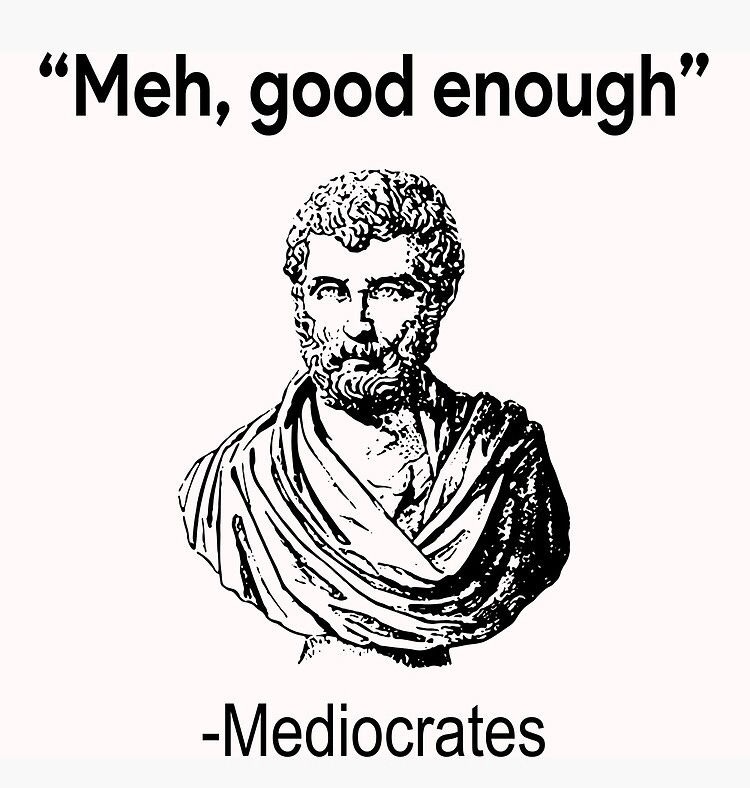
Their antipathy toward success, their message of covetousness that masquerades as “justice” and “fairness,” and their promise that the voters won’t have to work as hard for the things they want, all portent the same descent into mediocrity and stagnation that is destroying Europe.
Sure, you or I can say “I’m living well enough, I don’t want to chase more.” That’s a personal choice, and it’s not my place to compel you otherwise. The interventionists don’t leave it up to each of us, however. Their answer is to take from the productive to give to the unproductive. We see it in those arguing for super-high income taxes on the wealthy, and in those who argue that the nation would benefit from wealth taxes. However, people change their behaviors in response to changing rules, and increasing taxes on the next dollar earned by a wealthy person will make him think twice about whether the effort to earn that next dollar is worth it. Some will say no, and societal productivity will suffer.
Economic mediocrity may sell well to people who live at a level that suits them. Some will say “our society is wealthy enough, so it’s time that wealth be spread around a bit more evenly.” They ignore the long-term harm that doing so will cause. They forget that the baseline state is always poverty, and that various forms of economic entropy always conspire to return us to that baseline state. Inflation alone is a perpetual destroyer, and the only way to stay ahead of it is growth.
As I recently blogged, “grow or die.”
Coasting along at the current level, as our socialists wish, ensures that things will go downhill.
I find this particularly poignant in my own case today. Like so many others, I'm in the last third of my life - the most economically productive years for both myself and my employer. And yet... I've developed an almost unbreakable habit of work and investing. I don't spend it, as I've no desire to. I take a lot of satisfaction checking in on the size of The Pile that will ultimately end up with my sons, I'm sure. People say "You should take trips and enjoy life!" But I AM enjoying life - it's just better with A Pile. And that's my choice. People who envy The Pile don't see what the decades of sacrifice (and risk) it took to make that Pile - they just want The Pile.
Oh, but those *evil* corporations...they're destroying the country! <sarc>